


About Us
Why Leadership Monkey
Welcome to LeadershipMonkey.com, your go-to source for insights and inspiration on the journey to exceptional leadership. This blog is dedicated to exploring the multifaceted world of leadership, drawing from real-life experiences, achievements, and the continuous development journey.
At LeadershipMonkey.com, we believe in the power of LEAD: Leadership, Experience, Achievement, and Development. Our content is not just theoretical, but designed to empower you with practical knowledge and tools that you can immediately apply to lead effectively, share experiences that shape leaders, celebrate achievements that inspire and foster ongoing personal and professional development.
Join us as we delve into leadership dynamics from the boardroom to the front lines. Whether you’re a seasoned leader or starting out, LeadershipMonkey.com supports and inspires your leadership journey. Let’s LEAD together!
- Unique Perspectives on Leadership
- Practical Advice and Real-World Applications
- Inspiration and Motivation
- Community and Interaction
Chief Monkey
Primate Social Structures and Leadership
The correlation between social structure and leadership in primates offers intriguing parallels to business and leadership structures in human organizations. Primate social systems, characterized by their complexity and variability, provide a natural model for understanding leadership dynamics, alliance building, and social stratification, all of which are relevant to organizational behavior in the business world.
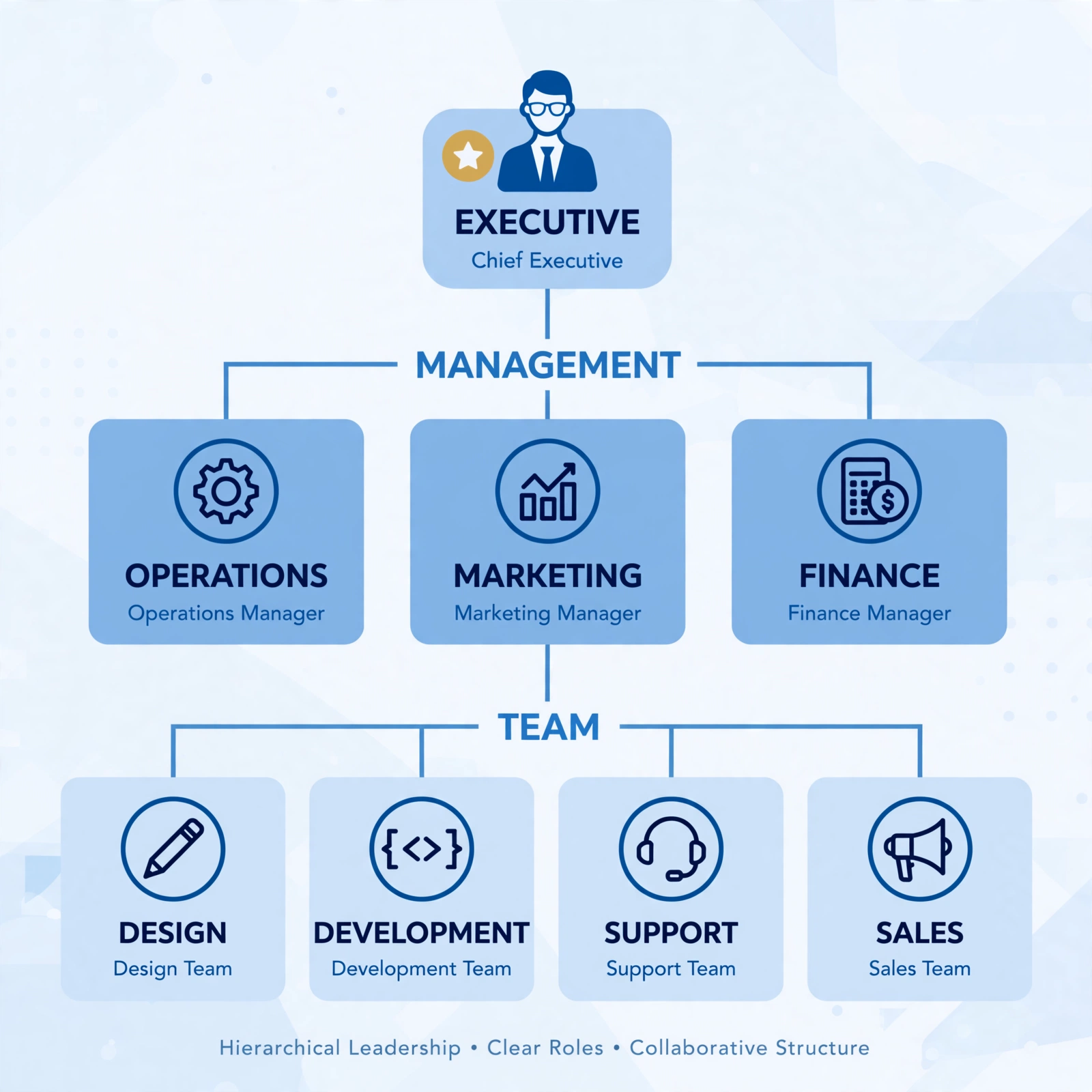
Hierarchical Leadership
In primates, social structures range from hierarchical to more egalitarian systems, each with distinct leadership styles. For example, chimpanzees and baboons exhibit clear hierarchical systems where dominant individuals (often alpha males) exert control over the group, securing access to resources and mating opportunities. These leaders maintain their position through physical strength, social intelligence, and coalition-building, mirroring many traditional leadership models in business where leaders rise through competition and strategic alliances.

Collaborative Leadership
Bonobos present a contrast with a more egalitarian and cooperative approach, where leadership is often shared among members of the group, particularly females. This can be likened to more modern, collaborative leadership styles in businesses that emphasize teamwork, shared responsibilities, and flat organizational structures.
Primate Behavior and Business Leadership
In business, leadership structure often depends on the company's goals, culture, and industry context. Hierarchical structures in business, similar to those seen in chimpanzees, involve rigid levels of authority and transparent chains of command. This model can facilitate efficient decision-making and role clarity but may also inhibit creativity and lower-level engagement.
Conversely, businesses adopting a more egalitarian or flat structure may encourage innovation and a higher degree of participation among all employees, akin to the bonobo style of social interaction. This model fosters a sense of unity and shared purpose but can sometimes lead to challenges in decision-making and accountability when clear leadership is required.

Lessons for Business Leaders
Flexibility in Leadership
Just as primates adapt their leadership styles based on environmental and social needs, business leaders can benefit from adapting their leadership approach based on the situation and team dynamics.
Social Bonds and Alliances
Maintaining alliances and social bonds is crucial for leadership success in primate groups. Similarly, in business, networking, mentorship, and strategic partnerships can be vital for career advancement and organizational success.
Competition and Cooperation
Primates balance competition with cooperation to maintain cohesion and meet collective goals. In business, leaders must also balance these dynamics to foster a competitive edge while ensuring team cooperation and morale.
Conclusion
Business leaders and organizational designers can gain insights into fundamental aspects of social interaction and leadership by studying primate behavior. This understanding can help craft more effective organizational structures and develop leadership styles that are responsive to human needs and strategic objectives.
Recovered Cost for Clients
Let's get in touch
Our Contact
Email Address
cress@leadershipmonkey.com
Call Us
253-332-3554
Social Media
Message
The FAQ
Frequently Asked Questions
Why Leadershipmonkey.com is for you?
LeadershipMonkey.com is designed to be your essential guide and partner on outstanding leadership. Our platform is committed to uncovering the layers and complexities of leadership through a unique lens—connecting real-life stories, expert achievements, and ongoing personal and professional growth.
At LeadershipMonkey.com, we believe that leadership is not just a role but a journey that involves constant learning and adapting. Each post and feature on our blog aims to provide actionable insights and motivational content that stem from genuine experiences and notable successes in the field. Whether you’re a budding leader or a seasoned executive, our content is tailored to spark innovation, drive growth, and enhance your leadership capabilities.
Our articles, interviews, and case studies delve into the practical challenges and triumphs of leading in various contexts, from corporate boardrooms to entrepreneurial ventures. We explore themes such as emotional intelligence, strategic decision-making, team dynamics, and resilience, all inspired by real-world applications and the intrinsic drive for continuous improvement. This practical approach empowers you to apply these insights directly to your leadership journey, making you feel capable and confident.
Join us at LeadershipMonkey.com, a platform where leadership meets inspiration, experience converges with achievement, and every step forward is part of a greater development journey. Here, every leader, regardless of their level or background, finds the support, knowledge, and inspiration needed to excel and influence positively. Let’s embark on this transformative journey together, unlocking the leader within each of us, and making you feel welcomed and valued.
Why Monkeys?
Exploring primate behavior provides valuable insights into leadership traits that can be analogous to human organizational dynamics. Primates, such as chimpanzees and bonobos, exhibit complex social structures that can mirror human leadership and group interactions.
Primates, at their core, inhabit hierarchically organized societies where rank and dominance hold pivotal roles. Take, for instance, chimpanzee communities, where an individual’s access to resources and mating opportunities is significantly influenced by their social rank. This influence is maintained through competitive interactions and, at times, coalition-building. This aspect of primate life illuminates the profound significance of power dynamics and alliances in leadership, akin to strategic networking and influence in corporate or organizational environments (Cambridge.org), leaving the audience enlightened and informed.
Furthermore, the social systems of primates like marmosets and tamarins are a testament to the power of cooperative breeding and shared responsibilities, which are forms of collaborative leadership. These systems underscore the role of cooperation and shared leadership in achieving group goals, much like in project teams or departments within businesses where teamwork and shared responsibility are the bedrock of success, inspiring and motivating the audience.
The parallels between primate social behaviors and human leadership practices are not just intriguing, but they also offer unique perspectives on effective leadership strategies. They underscore the importance of both competitive prowess and cooperative dynamics in leading successfully, opening new avenues of thought and exploration.
Leadershipmonkey.com defined
The term “leadership monkey” doesn’t have a standard definition in leadership theory or common usage. However, if we were to interpret it figuratively, it might imply a leader who exhibits agility, resourcefulness, and adaptability, akin to the traits often associated with monkeys. These traits could include problem-solving skills, flexibility, and the ability to navigate complex situations quickly. Essentially, a “leadership monkey” could thrive in dynamic environments, swiftly responding to challenges and opportunities.
Integrating Primate Leadership Lessons into Business
Understanding primate social structures and leadership can offer valuable lessons for business leaders:
- Flexibility in Leadership: Just as primates adapt their leadership styles based on environmental and social needs, business leaders can benefit from adapting their leadership approach based on the situation and team dynamics.
- Importance of Social Bonds and Alliances: Maintaining alliances and social bonds is crucial for leadership success in primate groups. Similarly, in business, networking, mentorship, and strategic partnerships can be vital for career advancement and organizational success.
- Balancing Competition and Cooperation: Primates balance competition with cooperation to maintain cohesion and meet collective goals. In business, leaders must also balance these dynamics to foster a competitive edge while ensuring team cooperation and morale.
Business leaders and organizational designers can gain insights into fundamental aspects of social interaction and leadership by studying primate behavior. This understanding can help craft more effective organizational structures and develop leadership styles that are responsive to human needs and strategic objectives.
Power of L.E.A.D.
At LeadershipMonkey.com, we believe in the power of L.E.A.D.- Leadership, Experience, Achievement, and Development. Our content is not just theoretical but designed to empower you with practical knowledge and tools you can immediately apply to lead effectively. We share experiences that shape leaders, celebrate achievements that inspire, and foster ongoing personal and professional development.